

How Maserati Names Its Models
A Maserati isn’t just defined by its sculpted bodywork, hand-stitched leather, or the unmistakable growl of its engine—it’s also defined by its name. From winds that sweep across continents to storied Italian cities, Maserati model names are chosen with care, each carrying a piece of the brand’s history and spirit.
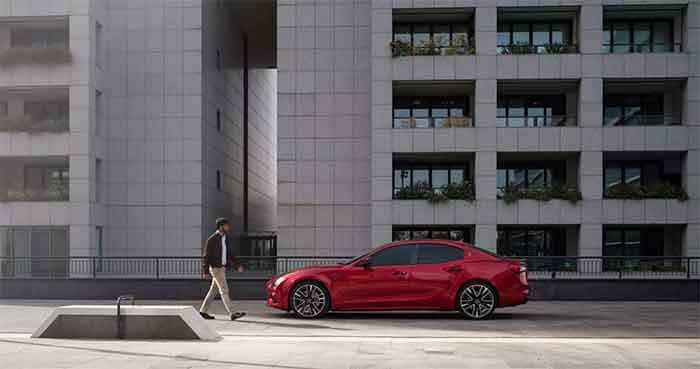
Inspired by the Wind
One of Maserati’s most distinctive naming traditions is drawing inspiration from famous winds. This tradition began in the 1960s and continues to influence the brand today.
-
Mistral – Named after the strong, cold wind that sweeps through southern France into the Mediterranean.
-
Ghibli – A nod to the hot, dry wind of the Libyan desert, reflecting the model’s warm-blooded performance.
-
Levante – Derived from the wind that blows across the Mediterranean, symbolizing power and change in direction.
Paying Tribute to Italian Cities and Culture
Some Maserati names celebrate Italy’s beauty, history, and culture.
-
Quattroporte – Simply Italian for “four doors,” the Quattroporte is Maserati’s way of elevating the everyday sedan into something extraordinary.
-
GranTurismo – Named for the “grand touring” tradition of long-distance, high-speed travel in comfort and style.
-
Modena – Honoring the city where Maserati was founded, known as the heart of Italian motorsport.
Modern Icons with Distinct Personalities
Even recent models follow these traditions, blending heritage with innovation.
-
MC20 – “MC” stands for Maserati Corse (Maserati Racing), while “20” marks the year of its launch, 2020.
-
Grecale – Named for a cool, brisk wind in the Mediterranean, emphasizing agility and everyday usability in an SUV form.
Why Names Matter
For Maserati, a name isn’t just a label—it’s a story, an identity, and a promise. Whether inspired by the power of nature, the charm of an Italian city, or the brand’s racing heritage, each name connects the car to something larger than itself.
0 comment(s) so far on How Maserati Names Its Models